


When A Giant Ore-Crushing Machine Is Reborn
Have you ever wondered how the hard rocks from deep within the earth can be transformed into fine particles containing copper, gold, and silver? It all starts with a massive machine known as the Semi-Autogenous Grinding (SAG) Mill.
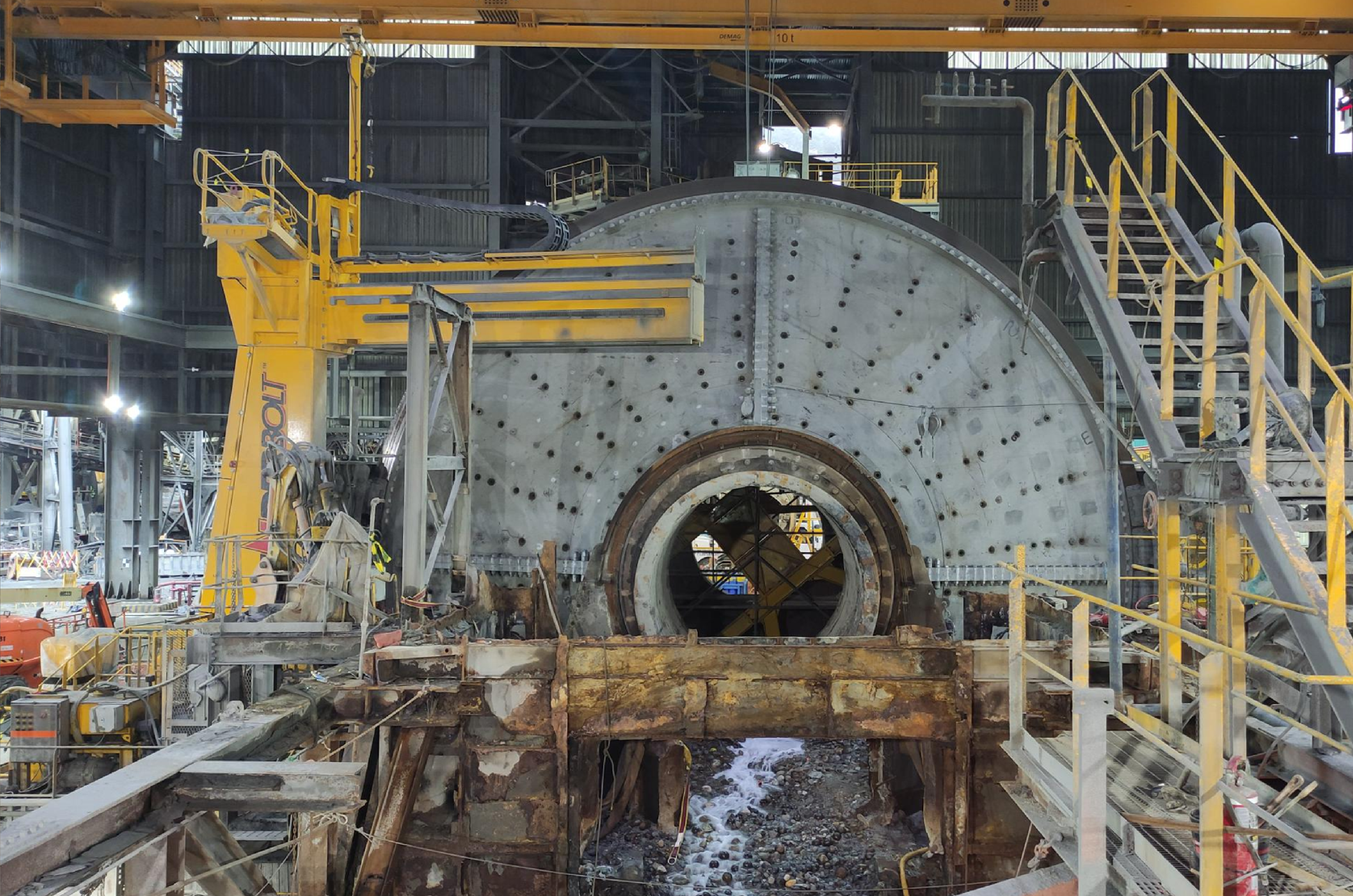
SAG 1, SAG 2, and SAG 3 have long been the backbone of PTFI’s ore processing operations. Every hour, thousands of tons of rock are transformed into fine material ready for further extraction. Now, after nearly three decades of service, SAG Mill 2 enters a new chapter: a full-scale refurbishment that brings modern, efficient, and energy-friendly technology.
Here are six fun facts behind the rebirth of SAG Mill 2, newly upgraded and ready to support PTFI’s future operations:




1. A Long Operational History

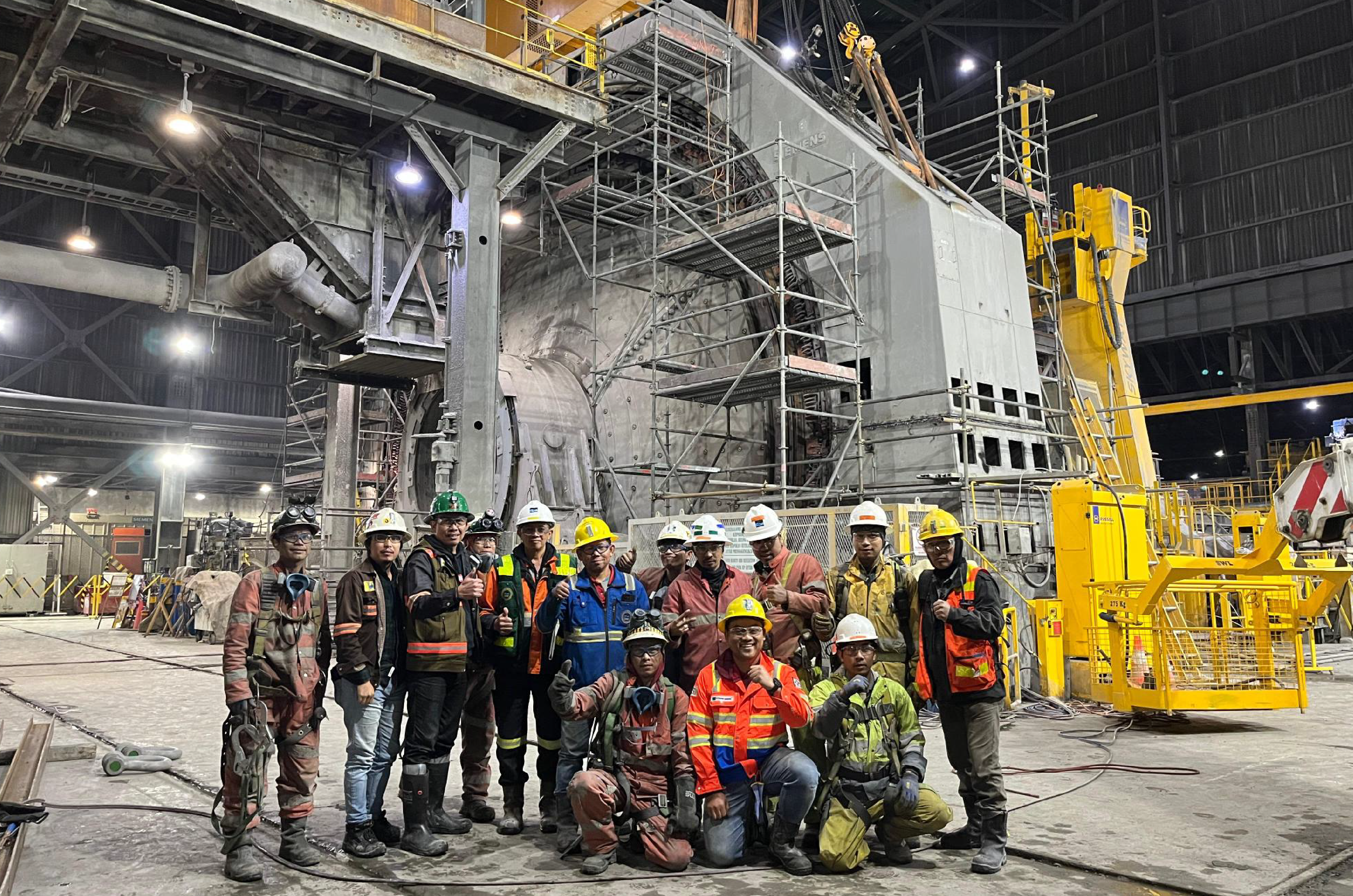
SAG Mill 2 was built in the highlands of Papua in 1997 and officially began operating in 1998. Since then, for 27 years, this giant machine has milled more than 810 million DMT (Dry Metric Tons) of ore, or roughly the equivalent weight of 80,000 Eiffel Towers.
2. More Than 1,000 Tons of Components Disassembled

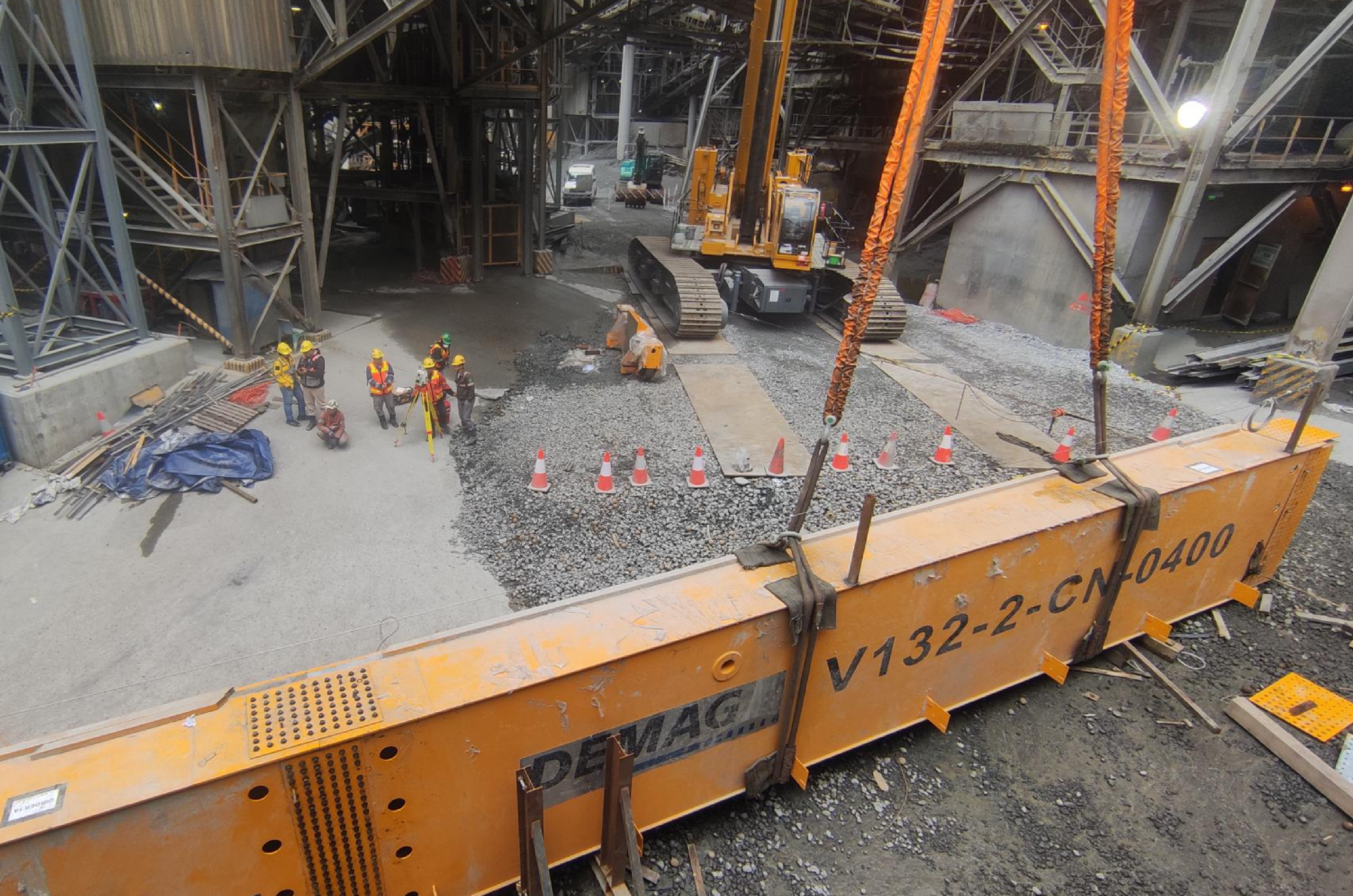
Over 1,000 tons of major and structural components had to be removed piece by piece, including four main segments weighing about 80 tons each. Working in a space of only 172 x 320 feet, or approximately 70 percent of a FIFA football (international soccer) field, leaving almost no room to spare.
“Dismantling a horizontal cylindrical SAG Mill is like cutting a 38-foot-diameter steel tank into four pieces and moving each part out of the processing plant,” said Aris Wahyu Raharjo, Senior Manager of Concentrating Maintenance.
3. Each Stator Quadrant Took Seven Days to Reach the Highlands
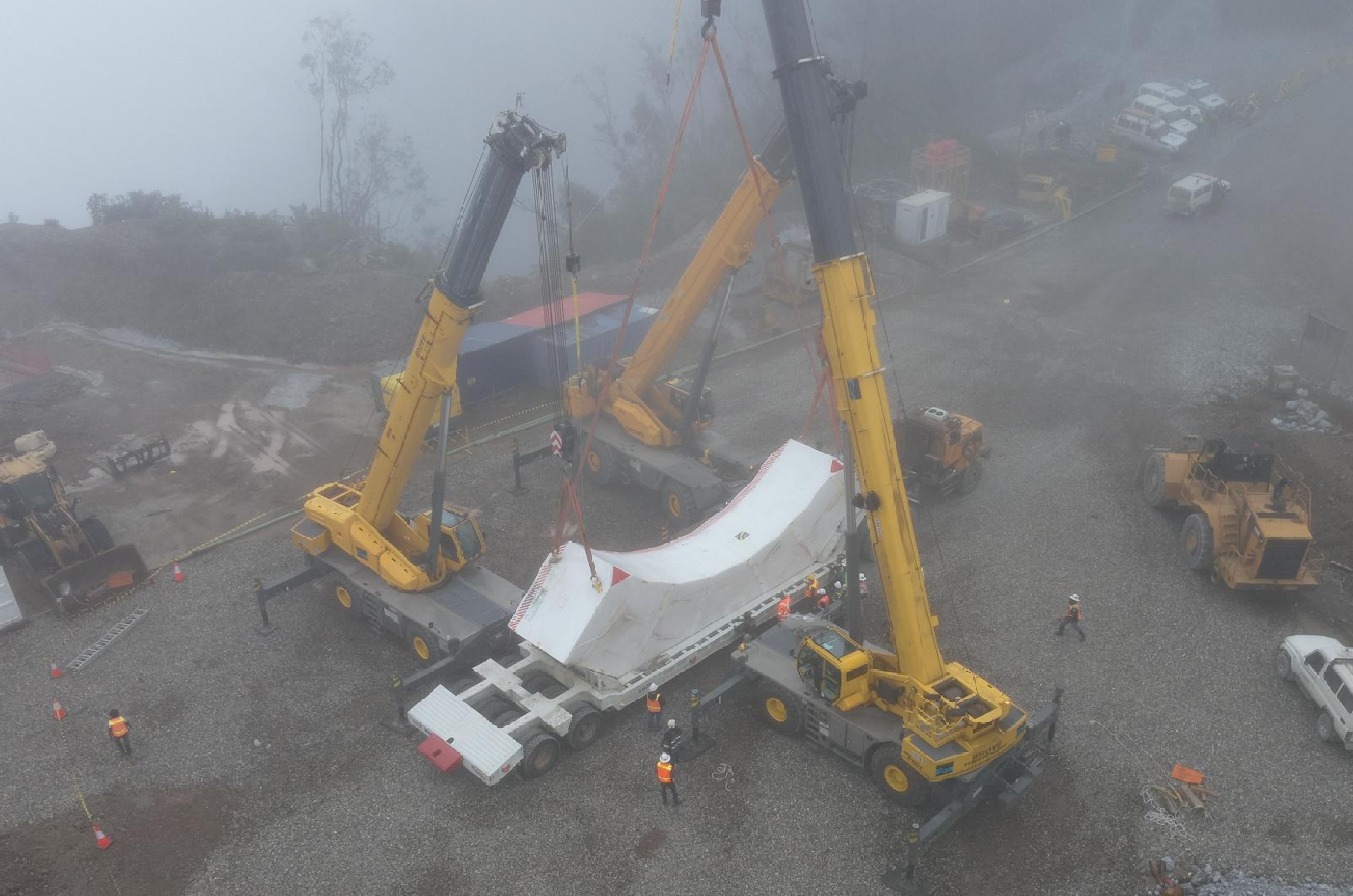
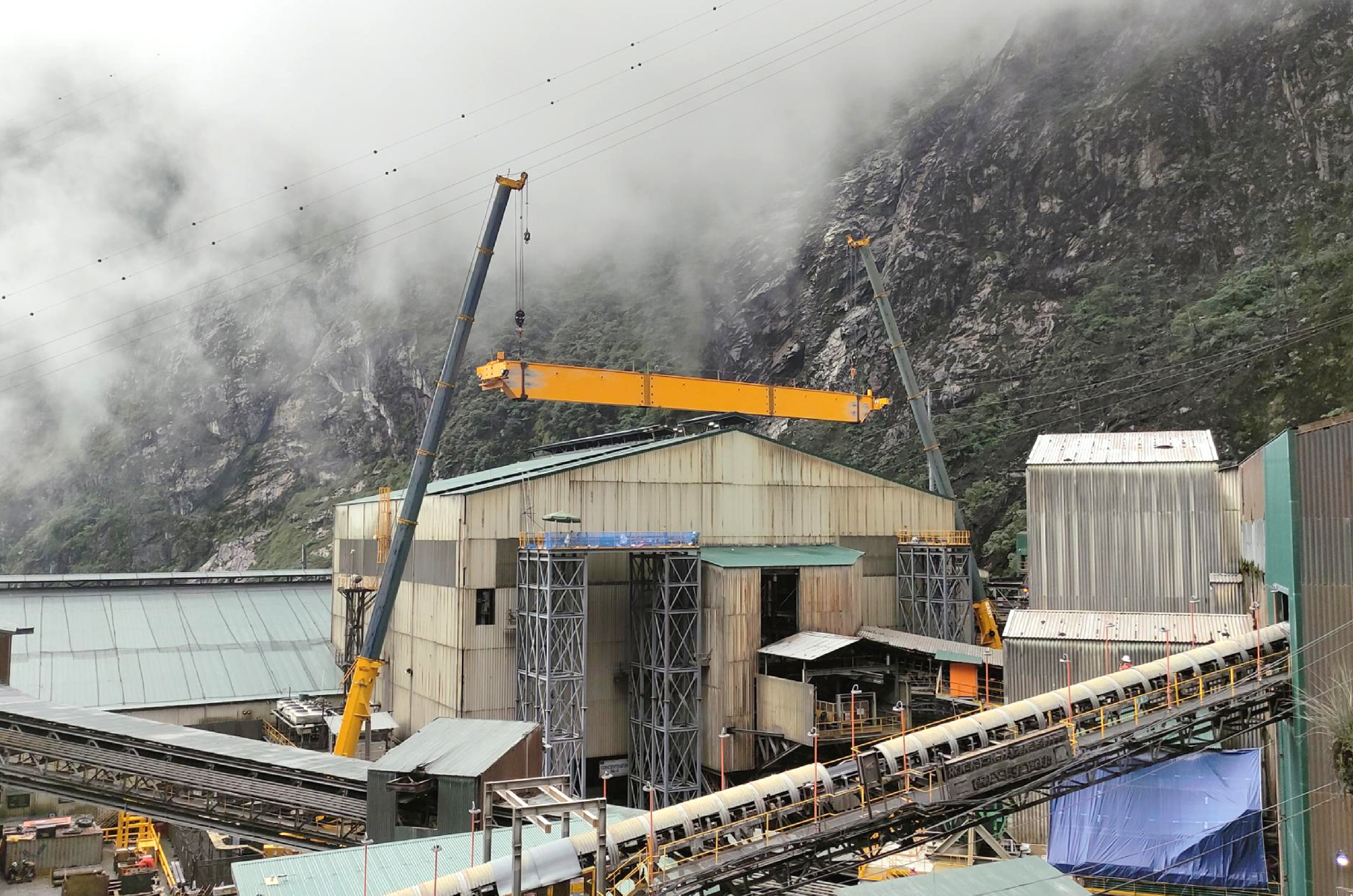
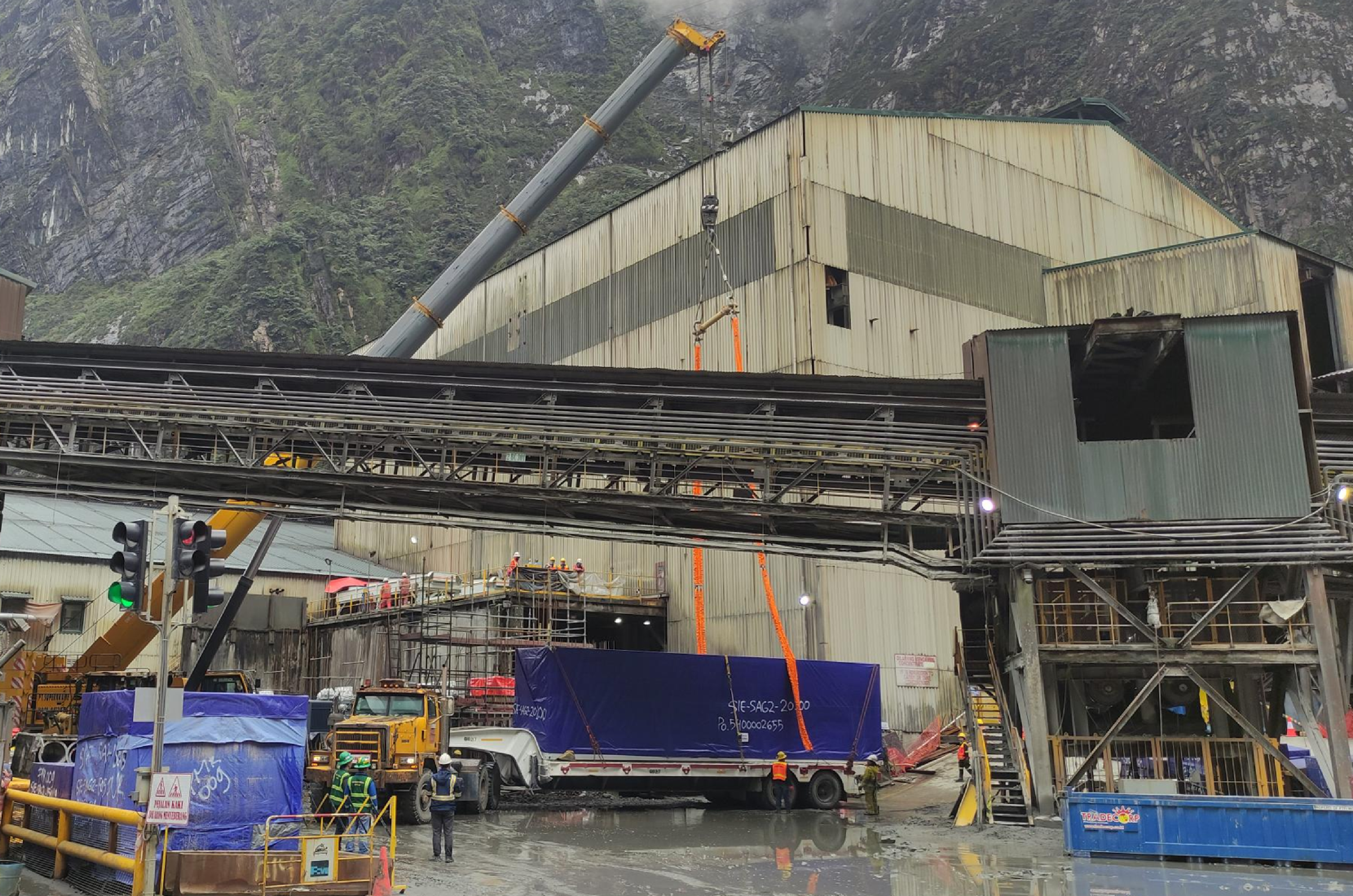
Each quadrant of the SAG Mill 2 stator weighs over 83 tons. To transport it from the lowlands to the highlands, the Logistics team must undertake a challenging seven-day journey per segment to traverse steep, winding Papuan mountain passes at altitudes of over 3,000 meters above sea level, where oxygen is thinner.
“The quadrants were loaded in the lowlands, repositioned several times to pass through the Hannekam Tunnel at MP58, and even had to stay overnight at several points before finally reaching the plant. Installing the quadrants inside the extremely limited space of the SAG2 building also required a very detailed lifting plan,” explained Bartholomeus Dewantoro, Senior Manager of Central Services.
4. Now Powered by Gearless Motor Drive (GMD) Technology

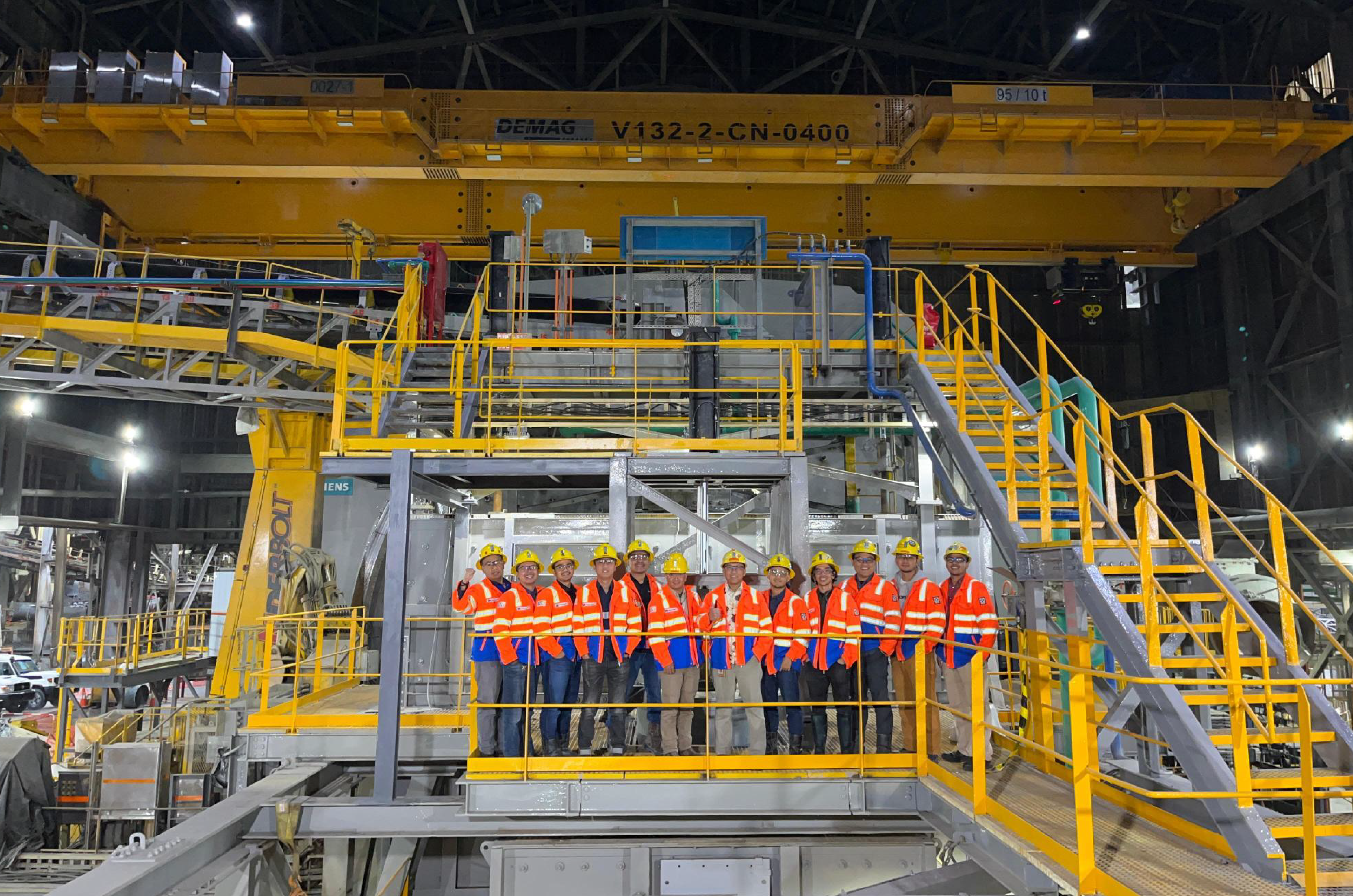
The SAG 2 modernization features Siemens' GMD (Gearless Motor Drive) technology, a gearless motor driven by a magnetic field to rotate the grinding drum. This results in smoother machine movements and minimizes the risk of mechanical failure.
Project Manager Engineering New Orleans, Neil Vance Marinello, noted: “Not a single aspect of the work could be copied from the old design. Everything had to be adjusted for the much heavier loads, with each stage carried out under strict quality oversight.”
5. A More Efficient Machine
SAG 2 now has a grinding capacity of up to 6,000 tons per hour, matching SAG 3. With its new setup, efficiency improves significantly since it operates with a single 20-megawatt motor replacing the two other less efficient motors. The GMD system is equipped with smart analytics and online monitoring that enables real-time fault detection, extends maintenance intervals, and improves energy efficiency.
6. Collaboration Across Divisions and Locations
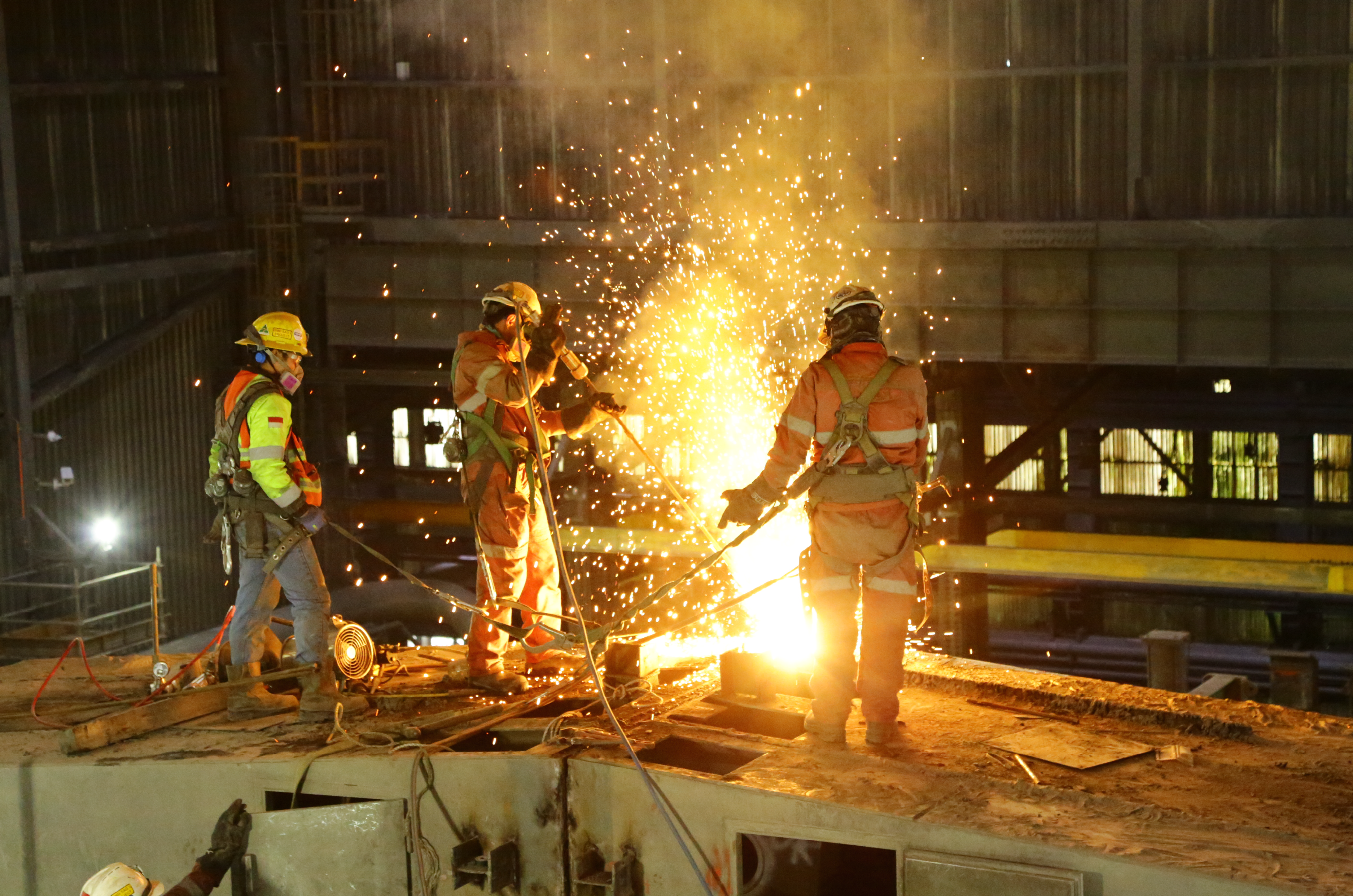
All PTFI divisions work side by side by prioritizing high safety discipline, from Central Services, Concentrating, Fleet Operation Support, Grasberg Earthworks, to Operations Maintenance. One of the biggest challenges was coordinating precise work sequences in a facility already crowded with existing infrastructure. Demolition schedules, equipment positioning, and access control had to be synchronized with other ongoing critical tasks.
Amidst the demanding pace, the team faced two major hurdles. First, a mismatch was found in the existing foundation surface. This required rapid structural adjustments that were coordinated closely with experts in New Orleans. Second, a malfunction in the 250-ton telescopic crane forced the team to completely redesign the lifting plan, maximize available equipment, and even fly in mechanical specialists from Jakarta.
“Good communication between teams was the key. Everyone had an important role to make sure the work ran safely and smoothly,” said Akhmad Ulya Hidayat, Vice President of Central Services.
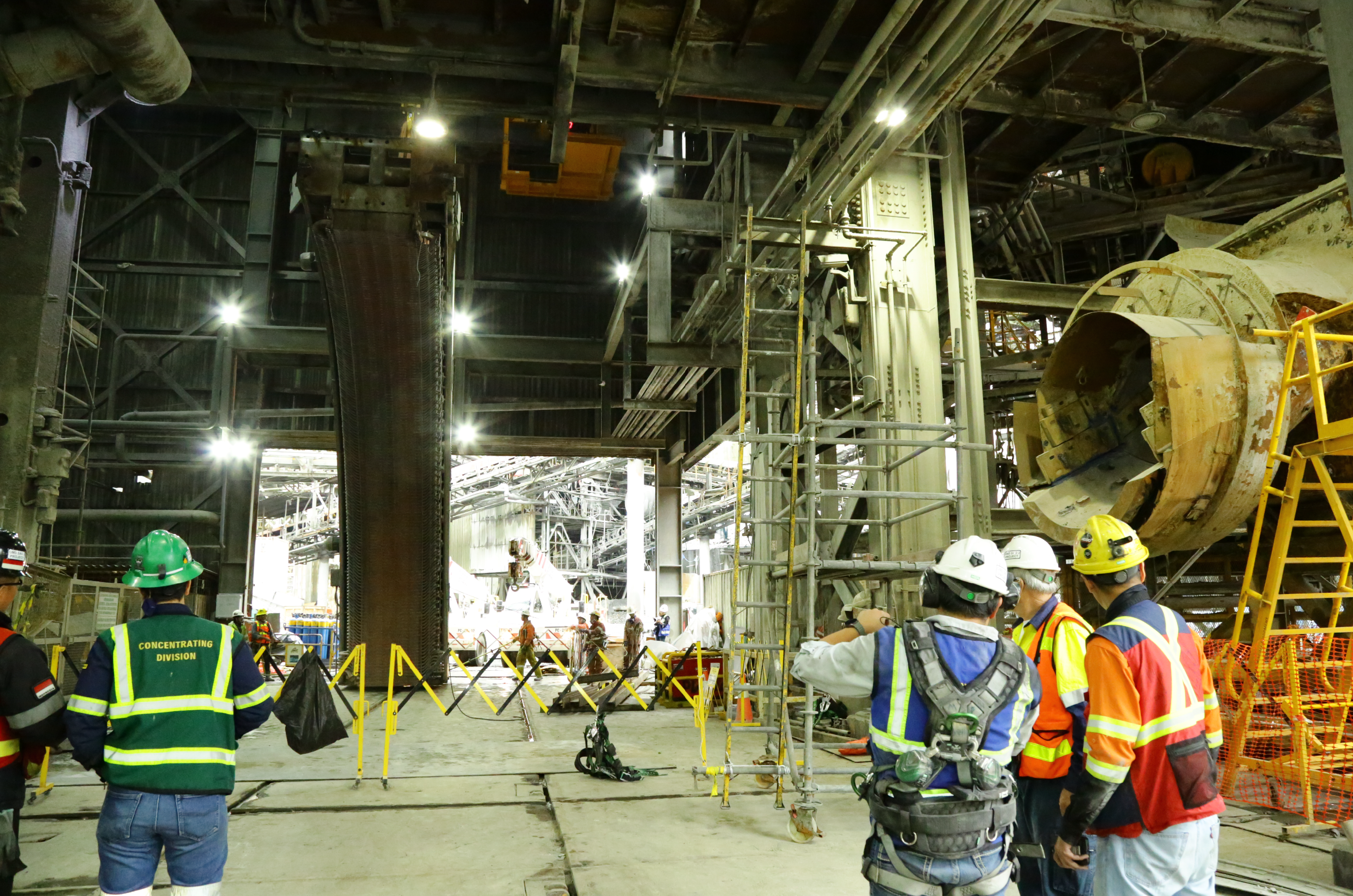
After five months of intense work by 330 dedicated personnel and stakeholders achieving over 700,000 safe man-hours without accidents and finishing —one month ahead of schedule— the operational testing and first turning of SAG Mill 2 marked the rebirth of this steel giant. From an aging machine that once stood still, SAG 2 now turns again, stronger and ready to take on PTFI’s future production.
Technology will continue to evolve, but the spirit and collaboration of the people involved behind it remains the true driving force of the company.
Back To List

.jpeg)