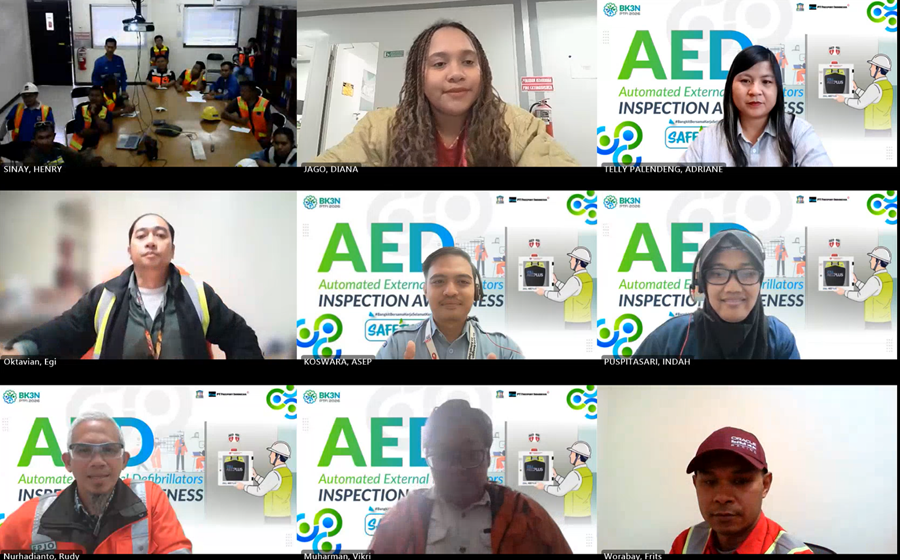
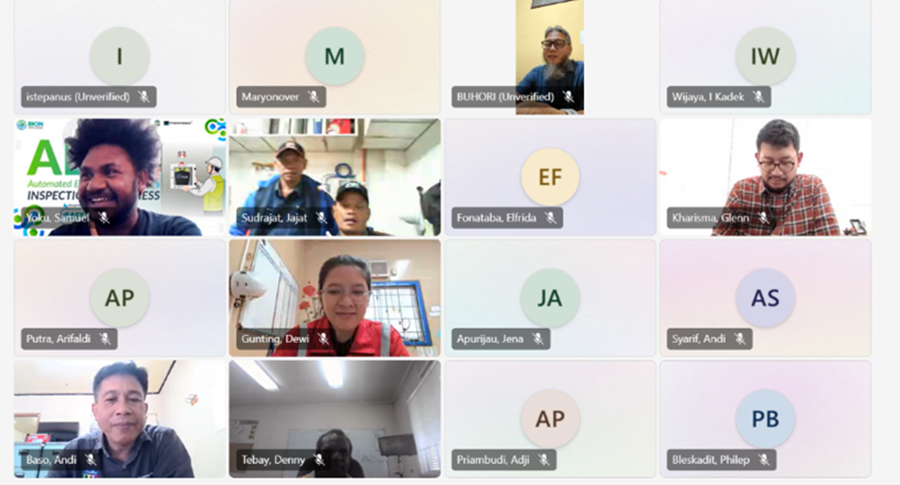
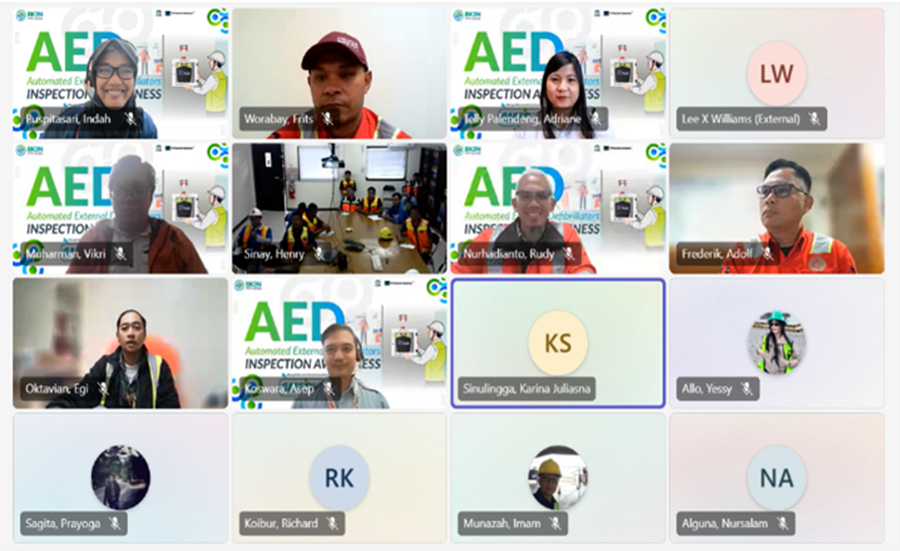
In commemoration of the 2026 National Occupational Safety and Health Month (BK3N), PT Freeport Indonesia (PTFI) conducted a "Socialization for AED Inspection & Usage Awareness" session on January 20, 2026. The initiative aimed to enhance employee awareness of cardiac arrest risks and strengthen preparedness and emergency response capabilities through the proper inspection and use of Automated External Defibrillators (AEDs). This demonstrates PTFI's ongoing commitment to continuously improving occupational safety and health standards across its operations.
An Automated External Defibrillator (AED) is a portable, life-saving medical device designed to analyze the heart rhythm and deliver an electric shock to individuals experiencing sudden cardiac arrest. Equipped with clear voice instructions, AEDs are designed for use by both medical professionals and non-medical personnel, enabling prompt and effective action during cardiac arrest emergencies.
dr. Darma Irawan, Sp.An., Director of PT. Freeport Indonesia Hospital, explained that the AED socialization program was a follow-up to the earlier Cardiopulmonary Resuscitation (CPR) socialization. Both CPR and AED use are critical first-response interventions for cardiac arrests incidents occurring outside hospitals or medical facilities.
"Why is this education important? Because AEDs are a lifeline for patients experiencing cardiac arrest outside medical facilities, especially during the first three to five minutes,” said dr. Darma. “That is why AEDs have been strategically placed throughout PTFI's operational areas—so victims can have access the nearest AED unit and receive immediate first aid before being transported to a medical facility."
The session was attended by more than 150 participants from various departments and was made possible through the collaboration of the PTFI 2026 BK3N Committee, the Emergency Preparedness & Response Team, and International SOS. In addition to AED usage, the session emphasized the importance of proper and routine equipment inspections, ensuring that all emergency response tools are fully functional and ready when needed. This preparedness can make a critical difference in saving lives.
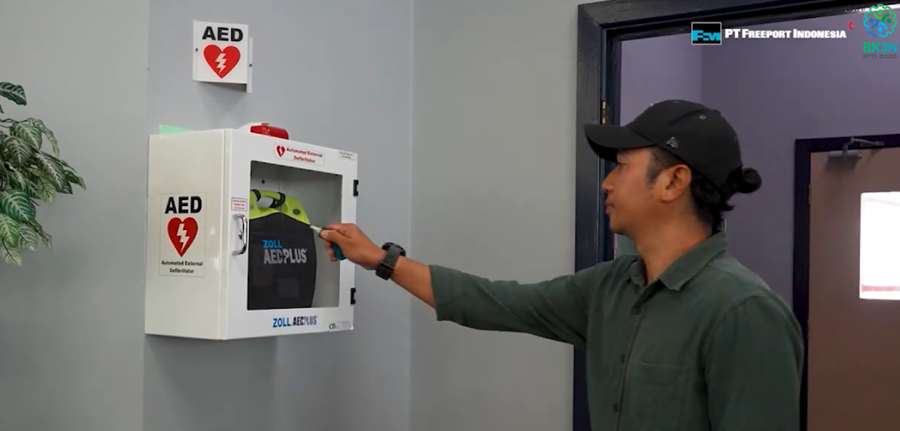
Agus Ariawan, Head of the PTFI BK3N in the Highlands, emphasized the importance of equipment readiness, "AEDs play a vital role in emergency response, so we must ensure they function properly--both in the workplace and in public places. Our hope is that all AEDs at PTFI jobsites are consistently well-maintained and ready for immediate use.”
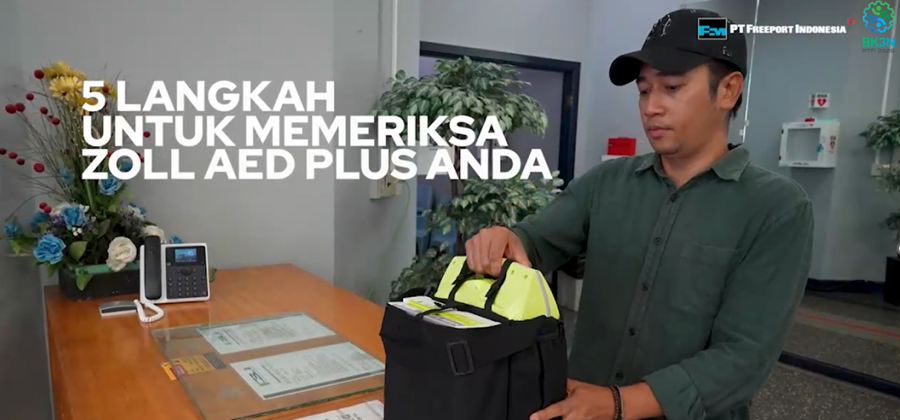
Employees are encouraged to follow the AED inspection steps outlined in the attached video, noting that inspections should be carried out by officially designated safety representatives or first aiders within each department or work area.
Beyond technical knowledge, the session fostered active dialogue between speakers and participants, reflecting a shared commitment to strengthening PTFI’s safety culture. This open engagement demonstrates the strong awareness and collective responsibility of PTFI employees in promoting safe work practices.
Together, as one PTFI family, we continue to contribute to a healthy, safe, and secure work environment for each other.
Rise Together, Work Healthy, Work Safely!
Steps to Take in a Medical Emergency:
- Ensure that you and the surrounding area are safe.
- Check the victim’s response by tapping their body and calling out to them.
- Ask someone to call PTFI emergency line (546-7777 / 0800-146-7777) and bring an Automated External Defibrillator (AED).
- Check for breathing for 5-10 seconds by observing chest movement.
- If no breathing is detected, start Cardiopulmonary Resuscitation (CPR) and attach the AED pads to the chest according to instruction image shown on the AED unit and follow the AED voice instructions until the Emergency Response team arrives.
Back To List